
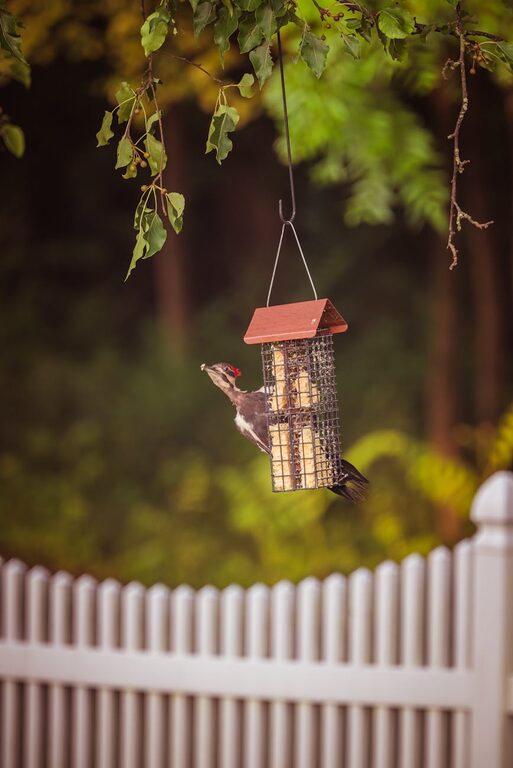
Birdwatching is a rewarding hobby that brings you closer to nature right at home. Whether you have a sprawling garden or a small balcony, you can start enjoying the beauty of birds visiting your space. This beginner’s guide offers practical tips to help you set up your backyard for birdwatching and make the experience enjoyable.
Why Birdwatching in Your Backyard?
Birdwatching doesn’t require expensive equipment or traveling to wild places. Observing birds in your backyard is relaxing, educational, and can increase your appreciation for local wildlife. It also helps support bird populations by providing safe feeding and nesting spaces.
Getting Started: Essential Equipment
You don’t need much to start birdwatching, but some basic items can enhance your experience.
Binoculars
A good pair of binoculars helps you see birds clearly without disturbing them. For beginners, binoculars with 8×42 or 10×42 magnification are ideal — they offer a bright image and are easy to handle.
Bird Field Guide or App
A field guide book or a mobile app dedicated to bird identification will help you recognize the species visiting your backyard. Many apps include photos, songs, and tips for identification.
Notebook or Journal
Keeping a birdwatching journal is fun and rewarding. Record the birds you see, note their behaviors, and track any changes through the seasons.
Attracting Birds to Your Backyard
To enjoy more birdwatching opportunities, it helps to create a welcoming environment for birds.
Feeders and Food
Providing food is one of the simplest ways to attract birds. Different species prefer different foods, so consider adding a variety:
– Seeds: Black-oil sunflower seeds attract many songbirds.
– Suet: Great for woodpeckers, nuthatches, and chickadees.
– Nectar: Hummingbirds love nectar feeders.
– Fruit: Orioles and some thrushes enjoy sliced oranges or berries.
Make sure to clean feeders regularly to prevent disease.
Water Sources
Birds need water for drinking and bathing. Adding a birdbath or shallow water dish can attract more species. Keep the water fresh and clean, and consider adding a small fountain or dripper for movement, which draws birds in.
Shelter and Nesting
Native trees, shrubs, and plants provide shelter and natural food. You can also install birdhouses suited to local species. Providing safe places reduces predators’ risks and encourages birds to stay longer.
Best Practices While Birdwatching
Birdwatching is about patience and respect for wildlife.
Move Slowly and Observe Quietly
Sudden movements or loud noises can scare birds away. Find a comfortable spot, stay still, and listen closely.
Use a Blind or Cover
If possible, use a natural shelter such as shrubs or a portable bird blind to hide your presence.
Observe from a Distance
Keep a respectful distance to avoid disrupting natural behaviors like feeding or nesting.
Identifying and Learning About Birds
As you watch, try to notice key features:
– Size and shape
– Color patterns and markings
– Beak shape and size
– Movements and behavior
– Songs and calls
Use your guide or app to compare these features and gradually improve your identification skills.
Seasonal Tips for Backyard Birdwatching
Bird species and behavior change with seasons. Here’s what to expect:
– Spring: Migration season with many birds arriving to breed.
– Summer: Nesting and raising young birds.
– Fall: Bird movements as migration starts again.
– Winter: Fewer species, but many come to feeders for food.
Adjust your feeding and observation accordingly throughout the year.
Joining the Birdwatching Community
Many birdwatchers join local clubs or online groups to share sightings and learn more. Participating in bird counts and citizen science projects can be both fun and meaningful.
—
Birdwatching in your backyard is a simple way to connect with nature every day. With some basic equipment and a welcoming environment, you can enjoy observing birds and learning about their lives close to home. Start small, be patient, and soon your backyard may become a vibrant hub of feathered visitors. Happy birdwatching!